If your partner is not emotionally available ,you’re probably experiencing a silent pain, the kind that results from emotional neglect rather than arguments. A relationship can be subtly damaged by this kind of detachment, leaving one spouse emotionally famished and the other unwittingly estranged. Emotional inaccessibility can take many forms and isn’t always evident. Eight subtle but telling indicators that your partner is not emotionally available will be covered in this article, along with further crucial advice on how to handle it.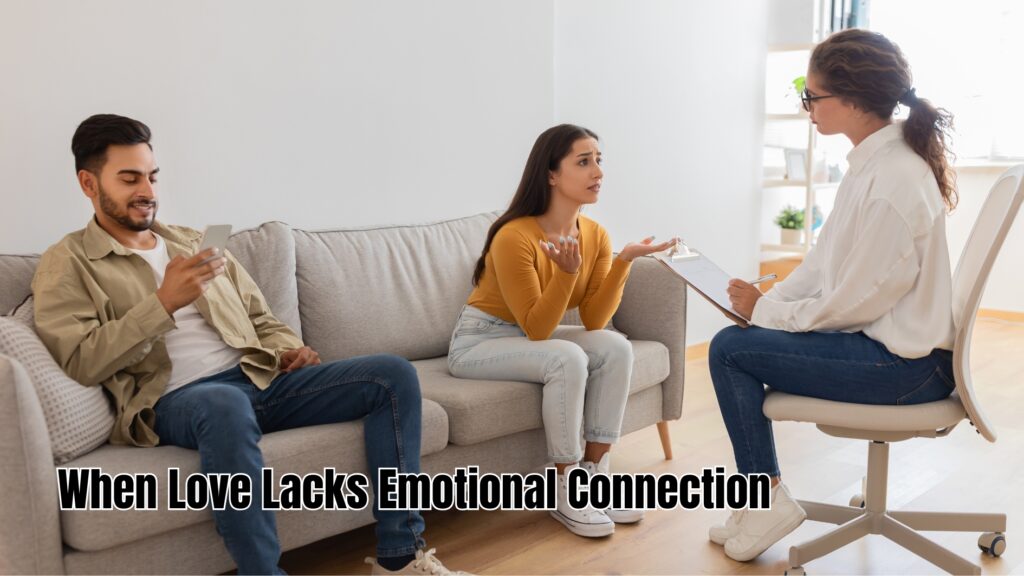
Why Emotional Availability Matters in a Relationship
It’s important to comprehend why emotional availability is the foundation of enduring, meaningful love before delving into the symptoms. A person who is emotionally present is willing to share their emotions, show vulnerability, and cultivate closeness. Without it, relationships frequently feel painfully unclear, one-sided, or hollow.
Emotional responsiveness is the cornerstone of a stable attachment, which is essential for the development of long-term relationships, according to Dr. Sue Johnson, the creator of emotionally focused therapy.
1. They Avoid Deep Conversations
Real-Life Example:
You try talking about how distant you’ve been feeling, and they quickly change the subject to something lighter — like dinner plans or work updates.
What This Means:
If your partner consistently dodges deep, vulnerable topics, it may be a red flag. Emotional unavailability often shows up as discomfort with anything that feels too personal or intense.
Expert Insight: Psychologist Dr. Lindsay Gibson notes that emotionally immature partners often feel threatened by emotional depth. They deflect or disengage to maintain emotional control.
2. They’re Overly Independent — Almost to a Fault
Real-Life Example:
They never ask for help. Even when sick or stressed, they prefer handling things solo and rarely involve you.
What This Means:
While independence is healthy, extreme self-reliance can indicate emotional detachment. It may stem from past trauma or fear of being vulnerable.
Recent Research: A 2023 study published in Journal of Social and Personal Relationships found that partners who grew up in avoidant households were 62% more likely to display emotionally distant behaviors in adulthood.
3. They Don’t Validate Your Feelings
Real-Life Example:
You say you’re upset, and they respond with, “You’re too sensitive” or “It’s not a big deal.”
What This Means:
Invalidating your emotions is a classic sign your partner is not emotionally available. They may not have the tools — or willingness — to empathize with your experience.
4. They Struggle with Consistency
Real-Life Example:
They’re warm and engaging one day, and cold and distant the next. You never know which version of them you’re getting.
What This Means:
Emotional inconsistency creates insecurity and confusion. It’s often tied to internal conflicts or emotional avoidance patterns.
Case Study: Maya, 29, shared that her boyfriend of two years would vanish emotionally during stressful times. Only after therapy did he uncover a fear of “being a burden” when emotionally overwhelmed.
5. Their Past Relationships Lack Emotional Depth
Real-Life Example:
They describe all their exes as “too clingy” or say they’ve never been in love.
What This Means:
People often repeat emotional patterns. If they’ve never formed deep bonds, it could be a sign of chronic emotional unavailability.
Comparison Table: Emotionally Available vs. Not Emotionally Available
| Traits | Emotionally Available | Not Emotionally Available |
|---|---|---|
| Open to discussing feelings | ✓ Yes | ❌ No |
| Validates partner’s emotions | ✓ Yes | ❌ No |
| Forms deep connections | ✓ Yes | ❌ No |
| Avoids emotional intimacy | ❌ No | ✓ Yes |
| Consistency in emotional behavior | ✓ Yes | ❌ No |
6. They Prioritize Everything Else Over the Relationship
Real-Life Example:
Work, friends, gym, even video games — everything seems to get more of their attention than you do.
What This Means:
Avoidance of quality time or emotional investment is a subtle — but serious — signal of emotional unavailability.
Expert Note: Dr. Stan Tatkin, couples therapist and author of Wired for Love, says emotionally unavailable partners often subconsciously keep busy to avoid intimacy.
7. They Shut Down During Conflict
Real-Life Example:
When there’s a disagreement, instead of discussing it, they walk away, get defensive, or give you the silent treatment.
What This Means:
Conflict is part of any relationship — but if your partner avoids it entirely, it could mean they’re not emotionally mature or present enough to handle relational challenges.
8. You Feel Lonely Even When You’re Together
Real-Life Example:
You’re sitting right next to them, but feel like you’re emotionally alone. Conversations are surface-level, affection is mechanical, and emotional connection is MIA.
What This Means:
When emotional presence is missing, the physical presence doesn’t mean much. This is often the deepest cut of all.
What To Do If Your Partner Is Not Emotionally Available
Checklist for Action:
Pro Tip:
Use “I feel” statements instead of “you never” accusations. For example, “I feel distant lately and would love for us to reconnect emotionally.”
External Resource:
- The Gottman Institute: Offers research-backed relationship advice and tools.
- Psychology Today: Helps locate qualified therapists globally.
10 FAQs About Not Emotionally Available
Past trauma, attachment style, upbringing, or fear of vulnerability are common causes.
Yes, with awareness, willingness, and sometimes therapy, change is possible.
Not exactly. While not inherently abusive, prolonged emotional neglect can feel very damaging.
Q4.Should I confront my partner about this?
Yes — in a calm, non-confrontational way that emphasizes your feelings and needs.
Q5.How can I protect my emotional health?
Practice self-care, set boundaries, and seek support from friends or professionals.
No. Often, the person is unaware of their own blocks and defenses.
Absolutely. Individual and couples therapy are both effective options.
Q8.What are some books that can help?
Attached by Amir Levine and Hold Me Tight by Dr. Sue Johnson are great starting points.
Many are. Emotional intimacy often triggers fears tied to commitment.
Q10.How long should I wait for someone to become emotionally available?
It depends on your limits and the partner’s willingness to grow. But don’t lose yourself while waiting.
Final Thoughts: Choose Connection, Not Confusion
Being in love with someone who is not emotionally available can resemble reaching out in the dark in the hopes that they will return the favor. In actuality, you are worthy of more than a few scraps of connection. You have the ability to choose emotional well-being, clarity, and connection regardless of your partner’s willingness to change.
Call to Action
If you found this article helpful, please share it with someone who might be struggling in silence. Subscribe to our newsletter for more insights into creating emotionally fulfilling relationships.
Ready to reconnect? Leave a comment or explore our free resources — your heart deserves to be heard.
Useful Articles :-
- Signs of Love Bombing: 7 Red Flags to Spot Manipulative Affection Early
- What Is a Situationship? 7 Unfiltered Truths About Modern Love
- 10 Signs of a Healthy Relationship: What To Look For
- Communication Skills for Couples: 7 Transformative Tips to Strengthen Your Connection
- 7 Powerful Ways to Build Healthy Relationship Boundaries for Lasting Love
- 9 Empowering Steps for Recovering from a Breakup: Heal, Grow, and Thrive
- 7 Powerful Long-Distance Relationship Advice : Tips to Keep the Spark Alive
- Jealousy in Relationships: 7 Powerful Ways to Manage the Green-Eyed Monster
- 5 Insights Into Love Languages in Relationships : Do They Really Work?
- What Does Emotional Safety In Relationships? 7 Biblical Keys to Building Trust and Intimacy