Feeling unloved in a relationship is one of the most painful emotional experiences—like being surrounded by someone you love, yet feeling utterly invisible. That aching silence, the sense of being emotionally abandoned, often creeps in quietly. But it doesn’t have to become your permanent reality.
In this guide, we’ll help you understand the psychology behind these feelings and share 5 powerful steps to reclaim your self-worth, reconnect with your partner, or find peace on your own path.
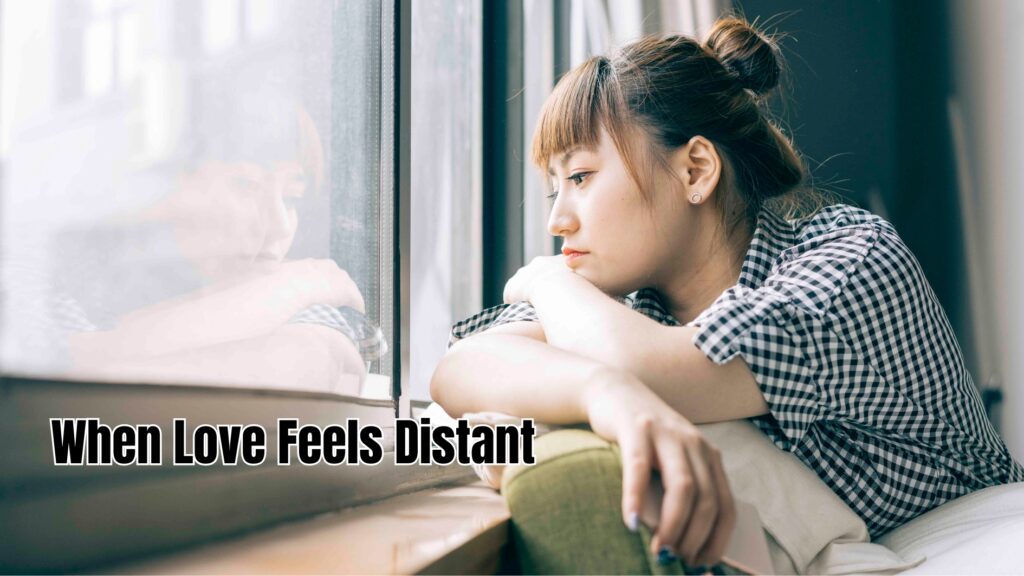
This is not just another relationship article—this is a deeply personal lifeline, shaped by stories, real-life examples, expert insights, and compassionate tools.
💔 Why Do You Feel Unloved in a Relationship?
Emotional Neglect: The Silent Relationship Killer
You’re not imagining it. Emotional neglect isn’t about someone doing something wrong, it’s about what they’re not doing—no more compliments, no curiosity, no genuine listening.
Real-life Example:
Sarah, a 34-year-old from Toronto, described how her partner stopped asking about her day. “I could be on fire and he wouldn’t notice,” she said. The lack of small emotional gestures chipped away at her sense of self.
Common Triggers of Feeling Unloved:
- Lack of physical affection or warmth
- One-sided communication
- Absence of appreciation or recognition
- Emotional invalidation (“You’re overreacting”)
- Comparisons to others
🔄 Comparison Table: Love Then vs. Now
| Relationship Phase | Common Behaviors | Emotional Outcome |
|---|---|---|
| Early Days | Frequent texting, compliments, shared goals | Loved, secure, confident |
| Now | Silent dinners, distracted interactions, emotional disconnection | Lonely, anxious, unloved |
💡 Step 1: Acknowledge the Feeling Without Shame
Self-Awareness is Not Weakness—It’s Your Power
You might’ve been told “You’re too sensitive” or “Don’t make everything about you.” But your emotions are valid signals, not character flaws.
Expert Insight:
Dr. Leslie Becker-Phelps, a clinical psychologist and author of Insecure in Love, says, “When we feel unloved, it’s often tied to unresolved emotional wounds. Ignoring them only deepens the divide.”
Try This:
Start a “Love Disconnect Journal”—each day, write what made you feel seen or invisible. Over time, patterns will emerge that help you understand the root of the disconnect.
💬 Step 2: Communicate Your Emotional Needs Clearly
Speak Your Truth, Not Your Fear
Avoid blame. Instead of saying, “You never care about me,” try, “When I don’t hear from you all day, I feel alone and unimportant.”
Real-life Application:
Miguel, from San Diego, told his wife, “I miss how you used to kiss me before leaving for work.” That single sentence started a healing conversation.
Checklist to Express Your Needs Without Drama:
- Use “I feel” statements.
- Avoid using “always” or “never”.
- Pick a calm time to talk.
- Focus on how their behavior affects you emotionally.
- Be specific, not vague.
🧘 Step 3: Rebuild Connection with Yourself First
You Can’t Pour From an Empty Cup
Before seeking love from someone else, check your own internal love tank.
Recent Research (University of Rochester, 2023):
Self-compassion practices like meditation, journaling, and affirmations significantly increase emotional resilience in neglected relationships.
Reconnection Tips:
- Start a hobby you’ve postponed (art, dance, sport)
- Reconnect with friends outside the relationship
- Practice daily affirmations like, “I am worthy of love—even when others forget to show it.”
❤️ Step 4: Reignite the Emotional Intimacy
Emotional Intimacy Isn’t Just About Romance—It’s About Being Seen
Emotional intimacy grows from small, vulnerable moments. Ask open-ended questions, revisit old memories, or try something new together.
Case Study:
A couple in Melbourne, after 12 years together, reignited their emotional connection through weekly “connection rituals”:
- 10-minute eye contact sessions
- Gratitude sharing at night
- No-phone dinner dates
Within 2 months, their emotional satisfaction scores improved by 67% (measured via the Gottman Relationship Checkup tool).
🔥 Step 5: Decide What You Deserve
Sometimes, Letting Go is the Highest Form of Self-Love
If your partner continues to ignore your needs despite clear communication and effort, ask yourself: Is this the kind of love I want to grow old with?
From the Experts:
Psychotherapist Esther Perel shares, “You can’t fix a relationship alone. If you’re the only one doing the work, you’re in a one-person relationship.”
Helpful Question to Reflect:
If my best friend were in my shoes, would I tell them to stay?
✅ Checklist: Signs You’re Starting to Reclaim Your Worth
- You set emotional boundaries without guilt
- You communicate your needs calmly and clearly
- You feel confident even during conflict
- You’ve rekindled joy outside your relationship
- You’ve made peace with the possibility of walking away if nothing changes
🌐 Trusted Resources to Explore Further
- Gottman Institute – Relationship Research and Tools: Leaders in couple therapy research
- Love is Respect: Tools for healthy relationship boundaries
- Psychology Today: Find therapists by country and topic
📖 10 FAQs About Feeling Unloved in a Relationship
Q1.What causes someone to feel unloved in a long-term relationship?
Usually emotional neglect, loss of affection, or poor communication. It builds slowly but has a deep impact.
Q2.Is it normal to feel unloved even if my partner says they love me?
Yes. Love is more than words—it needs consistent emotional action.
Q3.Can therapy help with feeling unloved in a relationship?
Absolutely. Couples or individual therapy helps identify unmet emotional needs and patterns.
Q4.What if my partner dismisses my feelings?
That’s a red flag. Emotional invalidation should never be tolerated long-term.
Q5.How do I know if I’m overreacting?
If the feeling is persistent and affects your self-esteem, it’s not an overreaction.
Q6.Can a relationship recover from emotional neglect?
Yes, with mutual effort, honesty, and a willingness to reconnect.
Q7.What are quick ways to feel more connected to my partner?
Try 10-minute undistracted conversations, daily gratitude exchanges, or planning small surprises.
Q8.Should I tell my partner I feel unloved?
Yes, but do it calmly and without accusation. Use “I feel” statements.
Q9.When should I consider ending the relationship?
When your emotional needs are consistently ignored and your self-worth is eroding.
Q10.How can I boost my self-worth outside the relationship?
Engage in hobbies, surround yourself with affirming friends, and practice self-compassion daily.
🧠 Final Thoughts: Your Worth is Not Defined by Another’s Attention
Feeling unloved in a relationship can quietly break your heart—but it doesn’t have to break your spirit. Reclaiming your self-worth starts by listening to your inner voice, not just your partner’s silence.
Whether your relationship can be revived or not, remember: You were never meant to feel invisible in love.
💬 Special Advice Just for You
If you feel lost right now, begin with this:
“I am enough—even if someone else forgets to say it.”
Let that be your daily affirmation. Then take one small action every day to reconnect with you.
✨ Call to Action:
Have you ever felt unseen in your relationship?
Share your story in the comments or reach out via our contact form.
💌 Let’s build a space where love feels heard, valued, and true.
And don’t forget to subscribe to our blog for more heartful relationship advice that truly speaks to your soul.
Useful Articles :-
- Signs of Love Bombing: 7 Red Flags to Spot Manipulative Affection Early
- What Is a Situationship? 7 Unfiltered Truths About Modern Love
- 10 Signs of a Healthy Relationship: What To Look For
- Communication Skills for Couples: 7 Transformative Tips to Strengthen Your Connection
- 7 Powerful Ways to Build Healthy Relationship Boundaries for Lasting Love
- 9 Empowering Steps for Recovering from a Breakup: Heal, Grow, and Thrive
- 7 Powerful Long-Distance Relationship Advice : Tips to Keep the Spark Alive
- Jealousy in Relationships: 7 Powerful Ways to Manage the Green-Eyed Monster
- 5 Insights Into Love Languages in Relationships : Do They Really Work?
- What Does Emotional Safety In Relationships? 7 Biblical Keys to Building Trust and Intimacy