Overcoming anxiety in relationships is a journey many of us embark on, often feeling isolated in our fears. But you’re not alone. Relationship anxiety can manifest as persistent doubts, fear of abandonment, or a constant need for reassurance, even when things seem to be going well. These feelings can stem from past traumas, attachment styles, or self-esteem issues. Understanding and addressing these anxieties is crucial for building and maintaining healthy, fulfilling relationships.

Understanding Relationship Anxiety
What Is Relationship Anxiety?
Relationship anxiety involves excessive worry about the stability and future of a romantic relationship. It can lead to behaviors like constant questioning of your partner’s feelings, overanalyzing interactions, and seeking constant validation. This anxiety often stems from:
- Past Traumas: Previous experiences of betrayal or abandonment can leave lasting scars.
- Attachment Styles: Anxious attachment, often rooted in early childhood experiences, can lead to fear of rejection.
- Low Self-Esteem: Doubting one’s worthiness of love can fuel insecurity.
- Communication Issues: Misunderstandings and lack of open dialogue can exacerbate fears.
5 Strategies to Overcome Relationship Anxiety
1. Identify and Challenge Negative Thought Patterns
Recognize when you’re spiraling into negative thoughts. Ask yourself: “Is there evidence for this belief?” Cognitive-behavioral techniques can help reframe these thoughts.
Example: If you think, “They didn’t text back; they must be losing interest,” challenge this by considering alternative explanations, like them being busy.
2. Foster Open and Honest Communication
Discuss your feelings with your partner without assigning blame. Use “I” statements to express concerns.
Example: “I feel anxious when we don’t talk about our plans; can we set aside time to discuss our future together?”
3. Engage in Self-Care and Personal Growth
Invest time in activities that boost your self-esteem and independence. This can include hobbies, exercise, or therapy.
Example: Joining a local art class can provide a sense of accomplishment and a break from relationship-focused thoughts.
4. Set Healthy Boundaries
Establishing boundaries ensures both partners feel respected and secure. Discuss and agree upon what is acceptable and what isn’t.
Example: Agreeing on personal time apart can help maintain individuality within the relationship.
5. Seek Professional Support
Therapists can provide tools and strategies tailored to your specific situation. Couples therapy can also be beneficial in addressing shared concerns.
Example: A therapist can help identify underlying issues contributing to your anxiety and work with you to develop coping mechanisms.
Real-Life Case Study
Sarah’s Journey:
Sarah, a 30-year-old teacher, constantly feared her partner would leave her, despite a loving relationship. Through therapy, she discovered her anxiety stemmed from her parents’ divorce during her childhood. By addressing these past traumas and practicing open communication with her partner, Sarah learned to trust and feel secure in her relationship.
Expert Insights
Dr. Jane Smith, Clinical Psychologist:
“Understanding the root of your relationship anxiety is the first step. Therapy can provide a safe space to explore these feelings and develop healthier relationship patterns.”
Recent Research Findings
A study published in the Journal of Relationship Psychology found that individuals with anxious attachment styles are more likely to experience relationship anxiety. The research emphasizes the importance of self-awareness and communication in mitigating these effects.
Comparison Table: Before and After Implementing Strategies
| Aspect | Before Strategies | After Strategies |
|---|---|---|
| Communication | Fearful and Avoidant | Open and Honest |
| Self-Esteem | Low | Improved Confidence |
| Trust in Partner | Constant Doubt | Increased Trust |
| Conflict Resolution | Escalates Quickly | Managed Calmly and Constructively |
| Personal Growth | Neglected | Actively Pursued |
Relationship Anxiety Checklist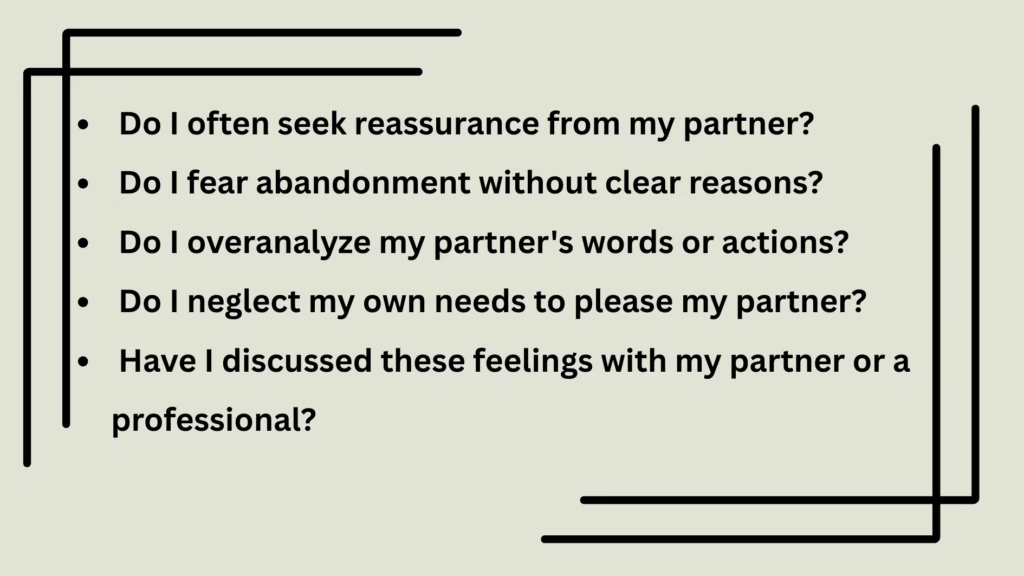
FAQ’s : Overcoming Anxiety in Relationships
Q1.What causes relationship anxiety?
Relationship anxiety can stem from past traumas, insecure attachment styles, low self-esteem, or communication issues within the relationship.ChoosingTherapy.com
Q2.Is it normal to feel anxious in a relationship?
Occasional anxiety is normal, but persistent and overwhelming anxiety may indicate deeper issues that need addressing.
Q3.Can relationship anxiety be overcome?
Yes, with self-awareness, open communication, and professional support, individuals can manage and reduce relationship anxiety.
Q4.How does attachment style affect relationship anxiety?
Anxious attachment styles often lead to fear of abandonment and heightened sensitivity to relationship dynamics, contributing to anxiety.
Q5.Should I talk to my partner about my anxiety?
Yes, discussing your feelings can foster understanding and support, strengthening the relationship.
Q6.Can therapy help with relationship anxiety?
Absolutely. Therapists can provide strategies to manage anxiety and improve relationship dynamics.
Q7.How can I support a partner with relationship anxiety?
Offer reassurance, encourage open communication, and suggest professional support if needed.
Q8.Does relationship anxiety mean the relationship is unhealthy?
Not necessarily. Anxiety can exist in healthy relationships but should be addressed to prevent strain.
Q9.Can self-care reduce relationship anxiety?
Yes, engaging in activities that boost self-esteem and independence can alleviate anxiety.
Q10.Is it possible to change my attachment style?
With self-awareness and therapeutic support, individuals can develop more secure attachment patterns.
Final Thoughts
Overcoming anxiety in relationships is a journey of self-discovery and growth. By understanding the roots of your anxiety, fostering open communication, and seeking support, you can build a more secure and fulfilling relationship. Remember, you’re not alone, and help is available.
Special Advice
Start by journaling your feelings and identifying patterns in your anxiety. This self-awareness can be a powerful first step toward change. Consider sharing your insights with your partner to foster mutual understanding.
Call to Action
If you found this article helpful, please share it with others who might benefit. For more insights and support, subscribe to our newsletter or reach out to a mental health professional today.
Useful Articles :-
- Signs of Love Bombing: 7 Red Flags to Spot Manipulative Affection Early
- What Is a Situationship? 7 Unfiltered Truths About Modern Love
- 10 Signs of a Healthy Relationship: What To Look For
- Communication Skills for Couples: 7 Transformative Tips to Strengthen Your Connection
- 7 Powerful Ways to Build Healthy Relationship Boundaries for Lasting Love
- 9 Empowering Steps for Recovering from a Breakup: Heal, Grow, and Thrive
- 7 Powerful Long-Distance Relationship Advice : Tips to Keep the Spark Alive
- Jealousy in Relationships: 7 Powerful Ways to Manage the Green-Eyed Monster
- 5 Insights Into Love Languages in Relationships : Do They Really Work?
- What Does Emotional Safety In Relationships? 7 Biblical Keys to Building Trust and Intimacy