Overcoming trust issues is essential for healing from betrayal and building a resilient, loving relationship. Trust forms the bedrock of any meaningful connection, and when it’s broken, the path to restoration can feel daunting. Yet, with intentional effort, open communication, and mutual commitment, it’s possible to rebuild trust and deepen your bond.

1. Embrace Radical Transparency
Transparency involves open, honest communication without hidden agendas. When trust has been compromised, embracing radical transparency can pave the way for healing.
Practical Steps:
-
Open Communication: Discuss feelings, fears, and expectations openly.
-
Consistency: Align words with actions consistently.
-
Accountability: Acknowledge mistakes and take responsibility.
Case Study: A couple, after experiencing infidelity, committed to daily check-ins and open dialogues about their feelings. Over time, this practice rebuilt their trust and strengthened their relationship.
2. Seek Professional Support
Therapy can provide a safe space to explore underlying issues and develop strategies for rebuilding trust.
Therapeutic Approaches:
-
Cognitive Behavioral Therapy (CBT): Addresses negative thought patterns.
-
Emotionally Focused Therapy (EFT): Enhances emotional connection.
-
Schema Therapy: Identifies and changes deep-seated beliefs.
Expert Insight: Dr. Jane Greer emphasizes the importance of therapy in addressing betrayal and rebuilding trust, noting that professional guidance can facilitate meaningful progress.
3. Understand Attachment Styles
Recognizing your attachment style can provide insights into trust issues and relationship dynamics.
Attachment Styles:
-
Secure: Comfortable with intimacy and independence.
-
Anxious: Craves closeness but fears abandonment.
-
Avoidant: Values independence, often avoiding closeness.
-
Disorganized: Struggles with both intimacy and independence.
Research Highlight: Studies indicate that individuals with anxious or avoidant attachment styles may experience heightened trust issues, impacting relationship satisfaction.
4. Rebuild Self-Trust
Trusting yourself is a prerequisite for trusting others. Self-trust involves confidence in your judgment, decisions, and ability to handle challenges.
Strategies:
-
Self-Reflection: Regularly assess your feelings and reactions.
-
Set Boundaries: Establish and maintain personal boundaries.
-
Practice Self-Compassion: Treat yourself with kindness and understanding.
Personal Journey: An individual shared their experience of overcoming trust issues by focusing on self-awareness and setting clear boundaries, leading to healthier relationships.
5. Implement Trust-Building Practices
Consistent actions that demonstrate reliability and integrity can gradually rebuild trust.
Trust-Building Activities:
-
Regular Check-Ins: Schedule time to discuss feelings and concerns.
-
Shared Goals: Collaborate on setting and achieving mutual objectives.
-
Positive Reinforcement: Acknowledge and appreciate trustworthy behaviors.
Expert Advice: Therapists John and Julie Gottman recommend dedicating time each week to relationship-building activities, enhancing connection and trust.
Comparison Table: Trust-Building Strategies
| Strategy | Description | Benefits |
|---|---|---|
| Radical Transparency | Open, honest communication | Enhances understanding and trust |
| Professional Support | Therapy and counseling | Addresses underlying issues |
| Understanding Attachment | Recognizing personal attachment styles | Improves self-awareness |
| Rebuilding Self-Trust | Confidence in personal judgment | Strengthens independence |
| Trust-Building Practices | Consistent, reliable actions | Reinforces reliability and integrity |
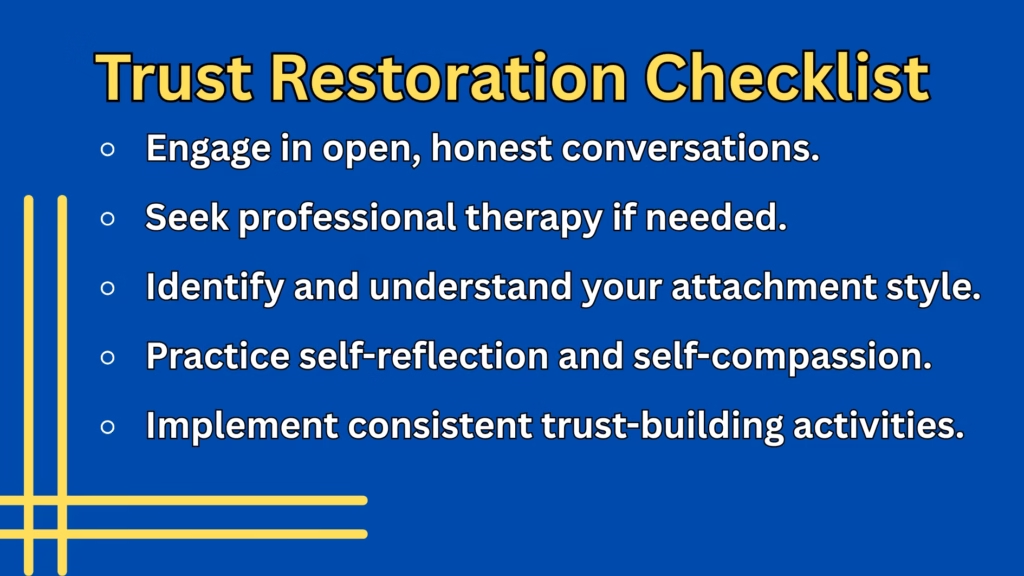
FAQ’s : Overcoming Trust Issues
Q1.What causes trust issues in relationships?
Trust issues often stem from past experiences of betrayal, abandonment, or trauma, including adverse childhood experiences and infidelity in adult relationships.
Q2.Can trust be rebuilt after betrayal?
Yes, with commitment, open communication, and consistent actions, trust can be rebuilt over time.
Q3.How long does it take to overcome trust issues?
The timeline varies for each individual and relationship, depending on the depth of the breach and the efforts made to heal.
Q4.Is therapy effective for trust issues?
Yes, therapy can provide tools and strategies to address underlying issues and facilitate trust restoration.
Q5.What role does self-trust play in relationships?
Self-trust is crucial, as it enables individuals to set boundaries, make sound decisions, and engage in healthy relationships.
Q6.How can I identify my attachment style?
Reflecting on your relationship patterns and seeking professional assessments can help identify your attachment style.
Not always, but past trauma is a common contributor. Other factors include personality traits and current relationship dynamics.
Q8.Can trust issues affect physical intimacy?
Yes, trust issues can lead to emotional distance, impacting physical intimacy and connection. Psychology Today
Q9.How can couples jointly work on trust issues?
By engaging in open dialogues, setting mutual goals, and participating in joint therapy sessions.
Q10.Is it possible to prevent trust issues from developing?
While not all trust issues can be prevented, fostering open communication, setting clear boundaries, and addressing concerns early can mitigate their development.
Conclusion
Overcoming trust issues is a journey that requires patience, commitment, and mutual effort. By embracing transparency, seeking support, understanding personal dynamics, and implementing consistent trust-building practices, couples can restore and even strengthen their relationships.
Final Advice
Remember, rebuilding trust is not about erasing the past but about creating a new foundation for the future. Approach each step with compassion, openness, and a willingness to grow together.
Call to Action
If you found this guide helpful, consider sharing it with others who might benefit. For more insights and resources on building healthy relationships, subscribe to our newsletter and join our community dedicated to fostering trust and connection.
Useful Articles :-
- Signs of Love Bombing: 7 Red Flags to Spot Manipulative Affection Early
- What Is a Situationship? 7 Unfiltered Truths About Modern Love
- 10 Signs of a Healthy Relationship: What To Look For
- Communication Skills for Couples: 7 Transformative Tips to Strengthen Your Connection
- 7 Powerful Ways to Build Healthy Relationship Boundaries for Lasting Love
- 9 Empowering Steps for Recovering from a Breakup: Heal, Grow, and Thrive
- 7 Powerful Long-Distance Relationship Advice : Tips to Keep the Spark Alive
- Jealousy in Relationships: 7 Powerful Ways to Manage the Green-Eyed Monster
- 5 Insights Into Love Languages in Relationships : Do They Really Work?
- What Does Emotional Safety In Relationships? 7 Biblical Keys to Building Trust and Intimacy