Rebuilding intimacy in a relationship is a journey that many couples find themselves embarking upon, especially after facing challenges that create emotional distance. Whether it’s the routine of daily life, misunderstandings, or significant life events, the connection that once felt effortless may now require intentional effort to rekindle. Understanding and nurturing both emotional and physical intimacy are crucial steps in this process.

1. Prioritize Emotional Connection Through Open Communication
Emotional intimacy forms the foundation of a strong relationship. It’s about feeling understood, valued, and emotionally safe with your partner.
Practical Steps:
-
Schedule Regular Check-Ins: Set aside time each week to discuss your feelings, experiences, and any concerns.
-
Practice Active Listening: Focus fully on your partner when they speak, showing empathy and understanding without immediately offering solutions.
-
Express Appreciation: Regularly acknowledge and express gratitude for your partner’s actions and qualities.
Case Study: A couple, after years of marriage, found themselves feeling distant. By implementing weekly emotional check-ins, they began to understand each other’s current experiences and feelings, leading to a renewed sense of closeness.
2. Reignite Physical Intimacy Gradually
Physical intimacy is not solely about sexual activity; it encompasses all forms of physical closeness that convey affection and connection.
Practical Steps:
-
Non-Sexual Touch: Incorporate hugs, hand-holding, and cuddling into daily routines.
-
Create a Comfortable Environment: Ensure that your shared spaces promote relaxation and closeness.
-
Be Patient: Understand that rebuilding physical intimacy takes time and mutual comfort.
Expert Insight: According to a study published in Psychology Today, regular affectionate behavior, such as hugging and cuddling, releases oxytocin, enhancing both physical and emotional closeness.
Participating in activities together can foster a sense of teamwork and shared purpose, enhancing both emotional and experiential intimacy.
Practical Steps:
-
Pursue a New Hobby Together: Choose an activity neither of you has tried before to create new shared experiences.
-
Plan Regular Date Nights: Dedicate time to enjoy each other’s company without distractions.
-
Volunteer Together: Engaging in community service can provide a sense of joint accomplishment and purpose.
Research Finding: A study highlighted by Psych Central emphasizes that sharing stories and tackling new hobbies together are active ways to strengthen the emotional bond between partners.
4. Seek Professional Guidance When Needed
Sometimes, rebuilding intimacy may require the assistance of a professional to navigate complex emotions and patterns.
Practical Steps:
-
Couples Therapy: Engage with a therapist who can provide tools and strategies tailored to your relationship’s needs.
-
Attend Workshops: Participate in relationship workshops to learn and practice intimacy-building skills.
-
Read Together: Explore books and resources on relationships to gain insights and spark discussions.
Expert Opinion: Research from the last decade has shown that both couples therapy and sex therapy can be effective in addressing intimacy issues, helping couples foster a deeper connection and rebuild trust, communication, and affection.
5. Cultivate Trust Through Consistency and Transparency
Trust is a cornerstone of intimacy. Rebuilding it involves consistent actions and open communication.
Practical Steps:
-
Be Reliable: Follow through on promises and commitments.
-
Share Vulnerabilities: Open up about your feelings and fears to encourage mutual openness.
-
Address Issues Promptly: Discuss concerns as they arise to prevent misunderstandings from festering.
Research Insight: A systematic literature review highlights the critical role of open, honest communication and emotional support in rebuilding trust in intimate relationships.
Comparison Table: Emotional vs. Physical Intimacy
| Aspect | Emotional Intimacy | Physical Intimacy |
|---|---|---|
| Definition | Sharing thoughts, feelings, and vulnerabilities | Physical closeness and affectionate touch |
| Importance | Builds trust and understanding | Enhances connection and affection |
| Activities | Deep conversations, emotional support | Hugging, cuddling, holding hands |
| Challenges | Fear of vulnerability, communication barriers | Discomfort with touch, differing physical needs |
| Rebuilding Strategies | Active listening, empathy, shared experiences | Gradual physical closeness, creating safe spaces |
Checklist for Rebuilding Intimacy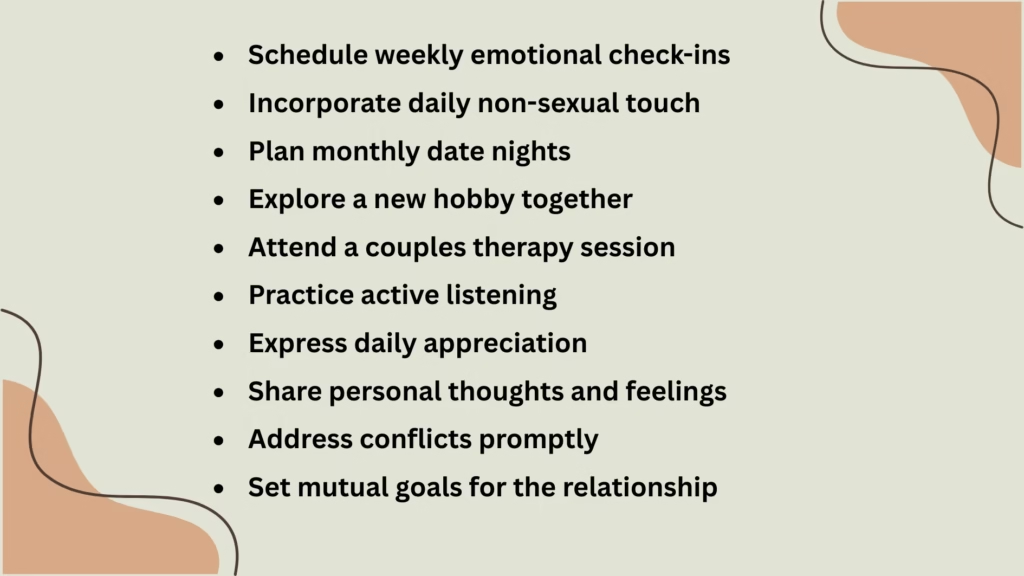
FAQs : Rebuilding Intimacy
1. How long does it take to rebuild intimacy?
The time varies for each couple. Consistent effort and open communication can lead to gradual improvements over weeks or months.
2. Can intimacy be rebuilt after infidelity?
Yes, with professional guidance, open communication, and mutual commitment, couples can work towards rebuilding trust and intimacy.
3. What if my partner is not interested in rebuilding intimacy?
It’s important to express your feelings and desires openly. If resistance persists, seeking individual counseling can provide support and strategies.
4. Are there specific exercises to enhance intimacy?
Yes, activities like eye-gazing, synchronized breathing, and shared journaling can foster deeper connections.
5. How does stress affect intimacy?
Stress can lead to emotional withdrawal and decreased physical closeness. Managing stress individually and as a couple is crucial.
6. Is physical intimacy necessary for a healthy relationship?
While physical intimacy is important, the level and type vary among couples. Open discussions about needs and boundaries are key.choosingtherapy.com+1time.com+1
7. Can technology help in rebuilding intimacy?
Yes, using apps designed for couples to share thoughts, plan dates, or engage in joint activities can be beneficial.
8. How do cultural differences impact intimacy?
Cultural backgrounds can influence expressions of intimacy. Understanding and respecting each other’s perspectives is essential.
9. What role does self-intimacy play?
Being in tune with your own emotions and needs enhances your ability to connect intimately with your partner.
10. How often should we discuss our relationship’s intimacy?
Regular discussions, such as monthly check-ins, can help maintain and improve intimacy levels.
Final Thoughts
Rebuilding intimacy is a continuous journey that requires patience, effort, and mutual commitment. By focusing on emotional connection, physical closeness, shared experiences, professional guidance, and trust, couples can rediscover the depth and joy in their relationship.
Special Advice
Remember, small, consistent actions often lead to significant changes. Celebrate progress, no matter how minor it may seem, and remain open to growth and adaptation in your relationship.
Call to Action
If you’re ready to take the first step towards rebuilding intimacy in your relationship, consider scheduling a dedicated time this week to connect with your partner. Whether it’s a heartfelt conversation, a shared activity, or seeking professional guidance, every effort counts towards rekindling your bond.
Useful Articles :-
- Signs of Love Bombing: 7 Red Flags to Spot Manipulative Affection Early
- What Is a Situationship? 7 Unfiltered Truths About Modern Love
- 10 Signs of a Healthy Relationship: What To Look For
- Communication Skills for Couples: 7 Transformative Tips to Strengthen Your Connection
- 7 Powerful Ways to Build Healthy Relationship Boundaries for Lasting Love
- 9 Empowering Steps for Recovering from a Breakup: Heal, Grow, and Thrive
- 7 Powerful Long-Distance Relationship Advice : Tips to Keep the Spark Alive
- Jealousy in Relationships: 7 Powerful Ways to Manage the Green-Eyed Monster
- 5 Insights Into Love Languages in Relationships : Do They Really Work?
- What Does Emotional Safety In Relationships? 7 Biblical Keys to Building Trust and Intimacy